

An innovative, discreet, and effective system of care, Invisalign® treatment offers a cosmetic way to align your smile with minimal interference to daily activities.

Invisalign® for Teens

Invisalign® for Brides

Invisalign® for Travelers
Before & After Photos
Invisalign® Videos
FAQs
Invisalign® vs Braces
Invisalign® vs Direct-To-Consumer Aligners
Is Invisalign® Right For Me?

Invisalign® Costs
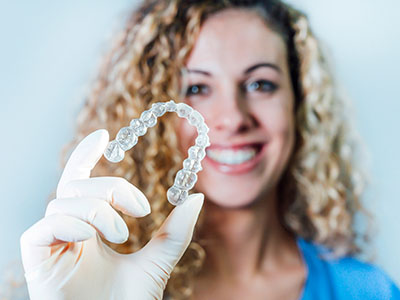
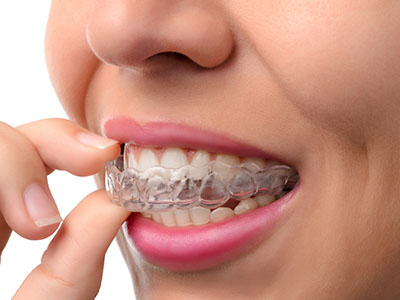
With aligners that are practically invisible, only you will know that you're undergoing orthodontic care!
Invisalign® utilizes 3-D computer imaging technology to correct problematic bites or malocclusions by planning a complete sequence of custom-made clear aligners. This series of clear aligners incrementally move the teeth into place until the final desired corrections are reached.
As pioneers in the field of aligner development and technology, the folks at Align Technology, Inc. gather data from millions of treated smiles to design treatment systems that:
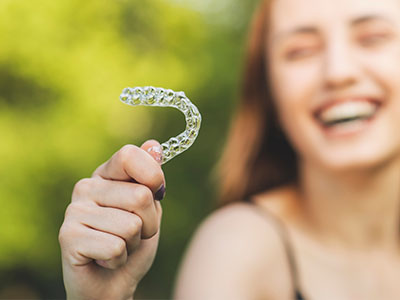
Custom-made to the exact specifications of your smile, Invisalign® clear aligners are designed to incrementally move your teeth into their correct positions over time. Simply swap-out last week's aligner for the next one in the series and watch as your smile progressively shows signs of improvement.
And, because Invisalign® clear aligners are removable for short periods of time, you can still enjoy the foods you love as well as brush and floss your teeth with ease!
Remember, a beautiful smile begins today! Contact our office for more information and to schedule a consultation for care.
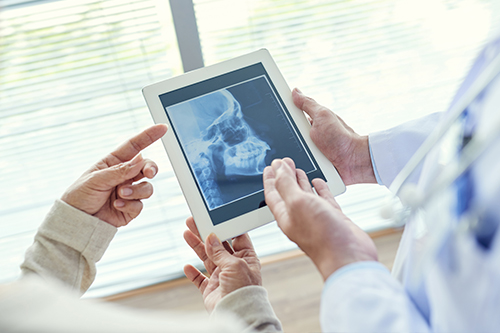
Your doctor will examine your teeth and show you what Invisalign® treatment can do for you.
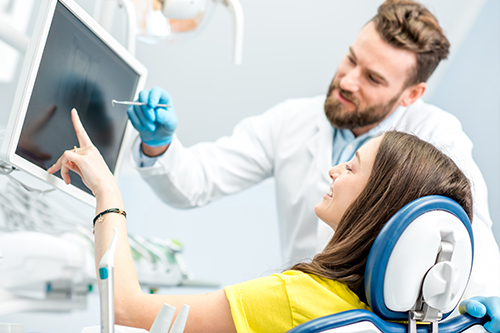
Start with a fast, precise digital scan. Then your doctor will map out a custom treatment plan just for you. You will even get a preview of your smile.
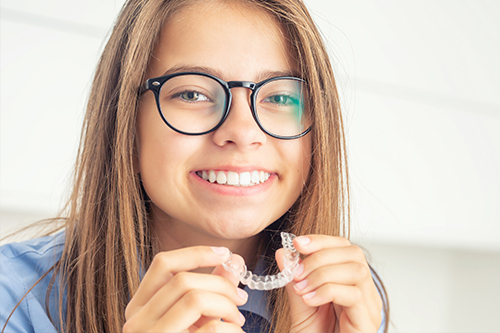
Your clear aligners are created using industry leading technology based on your customized treatment. Your aligners are created with comfort in mind.

From the first day of treatment to the last, you're never on your own — your doctor will be with you every step of your way.
Explore the true stories and journeys of several Invisalign® patients
*Invisalign® is a registered trademark of Align Technology, Inc.
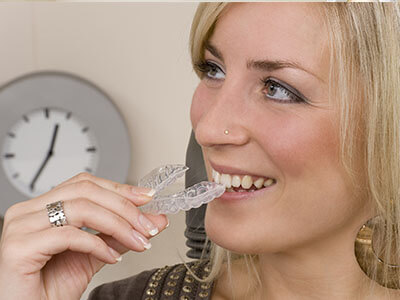

Invisalign® is a system of clear, removable aligners that gradually move teeth into their desired positions using a series of custom-made trays. Each aligner applies gentle, controlled force to specific teeth and is worn for a prescribed period before being replaced by the next tray in the series. Treatment is planned using 3-D digital imaging so the entire sequence of tooth movements can be visualized and refined before aligners are made.
The aligners are nearly invisible when worn and can be removed briefly for eating, brushing and flossing, which helps maintain oral hygiene during treatment. Patients typically wear aligners for most of the day and only remove them for activities that require short-term removal. Periodic checkups with the treating orthodontist monitor progress and ensure the treatment is tracking to the planned outcome.
Many teens and adults with mild to moderate alignment issues are well suited for Invisalign®, including spacing, crowding and certain bite irregularities. The technology has advanced to address a wider range of movements, but suitability depends on the specific dental and skeletal factors present in each case. A clinical exam and digital records are required to determine whether aligners will provide predictable results for a particular orthodontic goal.
Compliance is an important factor: because aligners are removable, candidates must be willing to wear them for the recommended hours each day to achieve efficient movement. For cases that require complex tooth rotation, vertical movement or significant bite correction, the orthodontist may recommend auxiliary techniques or fixed appliances in combination with aligners. The decision is always based on an individualized treatment plan designed to deliver the best long-term outcome.
The process begins with a consultation and a thorough orthodontic examination, which includes digital scans or impressions and photographs to document the starting position of the teeth. Using specialized software, the orthodontist maps out a step-by-step treatment plan that shows how teeth will move from the current alignment to the planned result. Once the plan is finalized, a series of custom aligners is fabricated to guide those movements over time.
Patients typically change to a new aligner every one to two weeks, following the schedule set by the orthodontist, and attend periodic appointments to confirm that movement is progressing as planned. Small attachments or elastics may be used during treatment to assist with particular types of tooth movement or bite adjustment. At the end of active treatment a retention phase begins to preserve the new tooth positions and protect the investment in alignment.
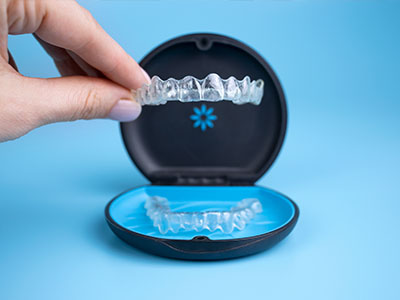
Daily care of aligners helps keep them clear and hygienic throughout treatment. Rinse aligners with lukewarm water each time you remove them and brush them gently with a soft toothbrush to remove plaque and debris; avoid hot water, which can warp the plastic. When not in use, store aligners in their protective case to prevent loss or damage and to keep them free from contaminants.
You should also maintain a consistent oral hygiene routine by brushing and flossing before reinserting aligners to minimize staining and bacterial buildup. Occasional use of manufacturer-recommended cleaning crystals or a diluted mild cleaning solution can help keep aligners fresh, but avoid abrasive cleaning agents that could scratch the surface. Bringing your aligners to checkups allows the orthodontist to inspect their condition and offer tailored cleaning advice.
Most patients experience only mild discomfort as their teeth move into new positions; sensations of pressure or soreness are normal after beginning a new aligner and typically subside within a few days. Aligners are made from smooth, medical-grade plastic designed for comfort and to minimize irritation to lips and cheeks compared with some traditional appliances. If attachments are used, there can be brief adaptation as you get used to the new hardware on the tooth surface.
Speech changes are usually temporary and minor; some patients notice a slight lisp when they first start wearing aligners, which typically resolves as the tongue and lips adapt within a few days. Practicing speaking and reading aloud while wearing the aligners can speed this adaptation. If persistent irritation or speech concerns occur, the orthodontist can make adjustments to the treatment plan or the aligners to improve comfort and function.
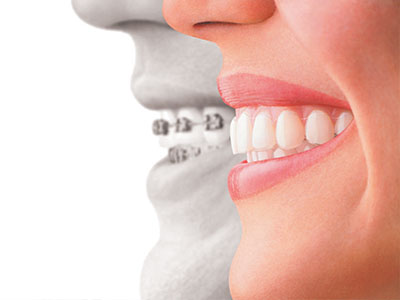
Invisalign® offers a discreet alternative to traditional brackets and wires and allows for easier oral hygiene because aligners are removable for eating, brushing and flossing. Traditional braces remain the preferred option for certain complex movements and severe bite issues, while aligners are ideal for many cases where aesthetics and lifestyle flexibility are priorities. Treatment duration and predictability depend on the nature of the malocclusion and the patient’s adherence to wear guidelines rather than the appliance alone.
The choice between aligners and braces is made after a comprehensive evaluation that considers the clinical needs, the patient’s preferences and the anticipated treatment mechanics. Orthodontists may also combine approaches, using aligners for portions of treatment and fixed appliances for others to achieve the most efficient result. Clear communication about goals and realistic expectations helps determine the best modality for each patient.
Digital planning lets the orthodontist visualize every stage of tooth movement and predict the final alignment before treatment begins, which improves coordination and control throughout the process. Clinicians can make refinements, simulate various strategies and identify potential limitations early, reducing the need for unexpected changes later in treatment. The ability to review a virtual treatment outcome helps ensure that the plan aligns with functional and aesthetic goals.
Accurate digital records and regular progress checks are essential to translate the virtual plan into real-world results, and the treating orthodontist adjusts the plan as necessary based on clinical feedback. Using these tools, the practice can enhance predictability and patient understanding while tracking outcomes over time. This combination of technology and professional oversight supports efficient, reliable care.
Invisalign® can correct many types of bite misalignments, including mild to moderate overbites, underbites and crossbites, by sequencing tooth movements and, when appropriate, incorporating elastics or attachments to guide occlusal changes. The feasibility of correcting a specific bite issue with aligners depends on the underlying skeletal relationships and the required tooth movements. A thorough diagnostic workup, including digital imaging and bite analysis, is necessary to determine whether aligners alone will achieve the desired correction.
When skeletal discrepancies are significant, interdisciplinary collaboration or complementary orthodontic appliances may be recommended to achieve stable, functional results. The orthodontist will explain the mechanics, potential adjuncts and realistic outcomes for bite correction during the consultation. Treatment planning prioritizes long-term function and stability as well as improved appearance.
Your consultation at our East Northport office begins with a comprehensive exam and a review of your dental history to identify alignment goals and any factors that could affect treatment. We use the iTero® digital impression system to capture precise 3-D images of your teeth and bite with no messy putty, and the doctor will explain how a customized treatment plan is developed and what to expect from the clinical process. You will have the opportunity to ask questions about timelines, appliance care and clinical oversight during treatment.
The consultation also covers retention strategies and how we maintain results after active alignment is complete, because long-term stability is an important part of successful orthodontics. Our team outlines follow-up frequency and what to expect at adjustment visits so patients feel informed and supported throughout care. If you decide to proceed, we will schedule the necessary records appointment to begin personalized planning.
Retention is a critical phase that follows active alignment to prevent gradual tooth movement and protect the investment made during treatment. The orthodontist will recommend a retention protocol tailored to your case, which may include removable retainers, fixed bonded retainers or a combination of both to preserve alignment and bite. Wearing retainers according to the prescribed schedule and attending maintenance visits are key to long-term stability.
Ongoing oral hygiene and routine dental checkups also support retention by keeping periodontal tissues healthy and reducing forces that could compromise tooth positions. The practice can provide guidance on retainer care, replacement schedules and signs that warrant a follow-up appointment. With consistent retention habits, most patients maintain their improved alignment for many years.

We're happy to help, whether you're ready to begin or still weighing your options.
Call our office or send us a message, and our team will answer your questions about treatment, scheduling, or insurance. You'll find us at 378 Larkfield Road in East Northport, with parking available in front of and behind the building.
